


Essential Maintenance Tips for Hybrid Car Owners
Top 5 Essential Maintenance Tips for Hybrid Car Owners
Hybrid cars have gained significant popularity over the years thanks to their fuel efficiency and eco-friendly design. But like any vehicle, they require regular maintenance to keep them running. Owning a hybrid means you get the best of both worlds—electric and gas-powered systems—yet this also means the maintenance needs are slightly different from conventional vehicles. Whether you're a new hybrid owner or just looking to get the most out of your car, it's important to understand what you should focus on to keep your hybrid in top shape.
1. Keep an Eye on the Hybrid Battery Health
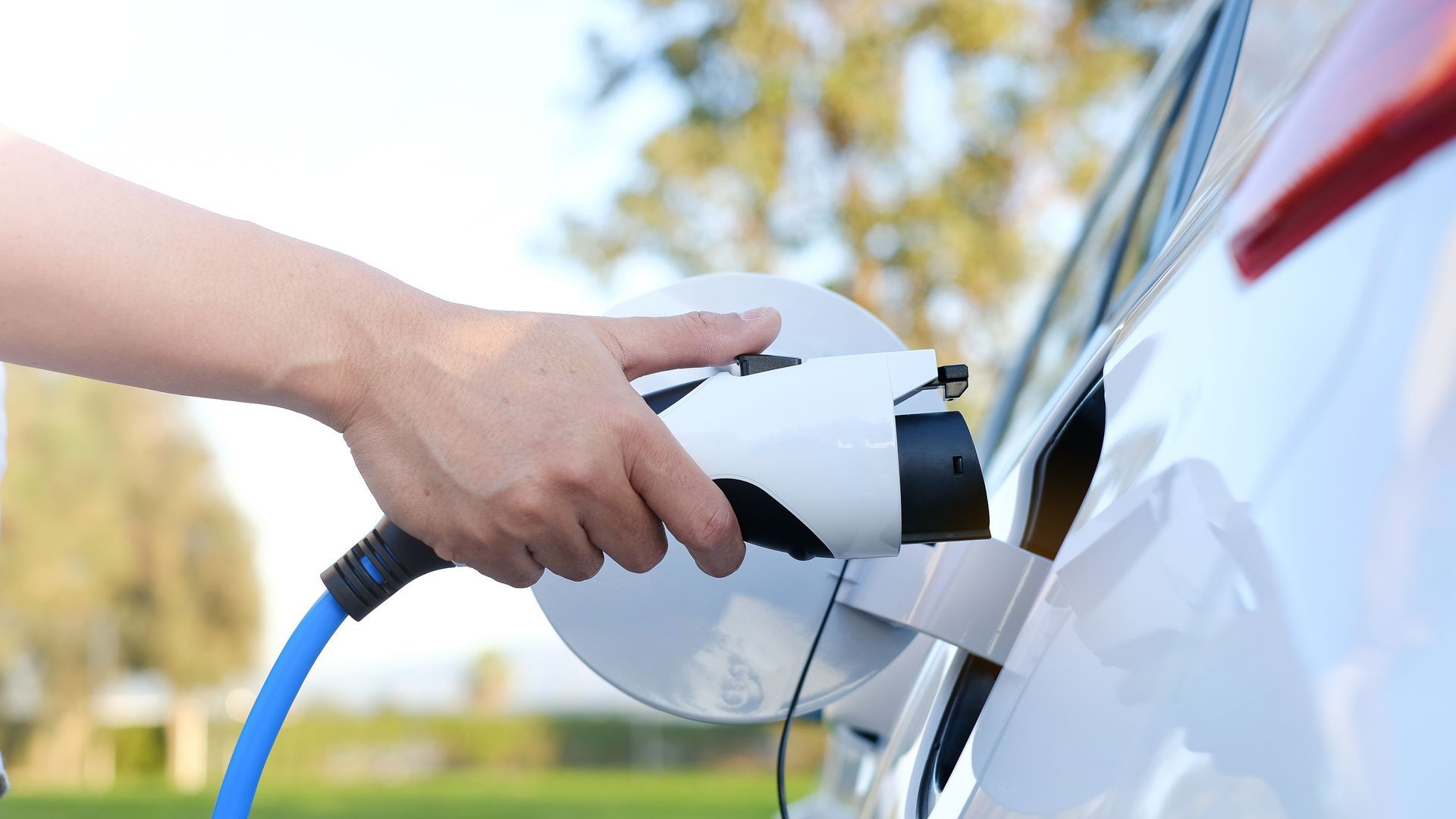
The battery is the heart of your hybrid car, and maintaining it is crucial to your vehicle’s overall performance. Hybrid vehicles run on both a gasoline engine and an electric motor, which relies heavily on the battery. Over time, the battery can degrade, and keeping it in optimal condition is key to maximizing efficiency.
How do you maintain battery health?
Most modern hybrid batteries are designed to last many years, but that doesn’t mean they’re immune to problems. Regular check-ups and monitoring the health of your battery will ensure it's functioning properly. You should also make sure the cooling system for the battery is free of dirt and debris. Cleaning the cooling fans and air intake will prevent overheating, which can significantly reduce the battery's lifespan.
When should you replace the battery?
While hybrid batteries tend to last longer than traditional car batteries, they may need to be replaced after 8-10 years, depending on driving conditions and how well they’ve been maintained. Keep an eye out for any warning signs like reduced fuel efficiency or strange noises.
2. Don’t Forget About Routine Oil Changes
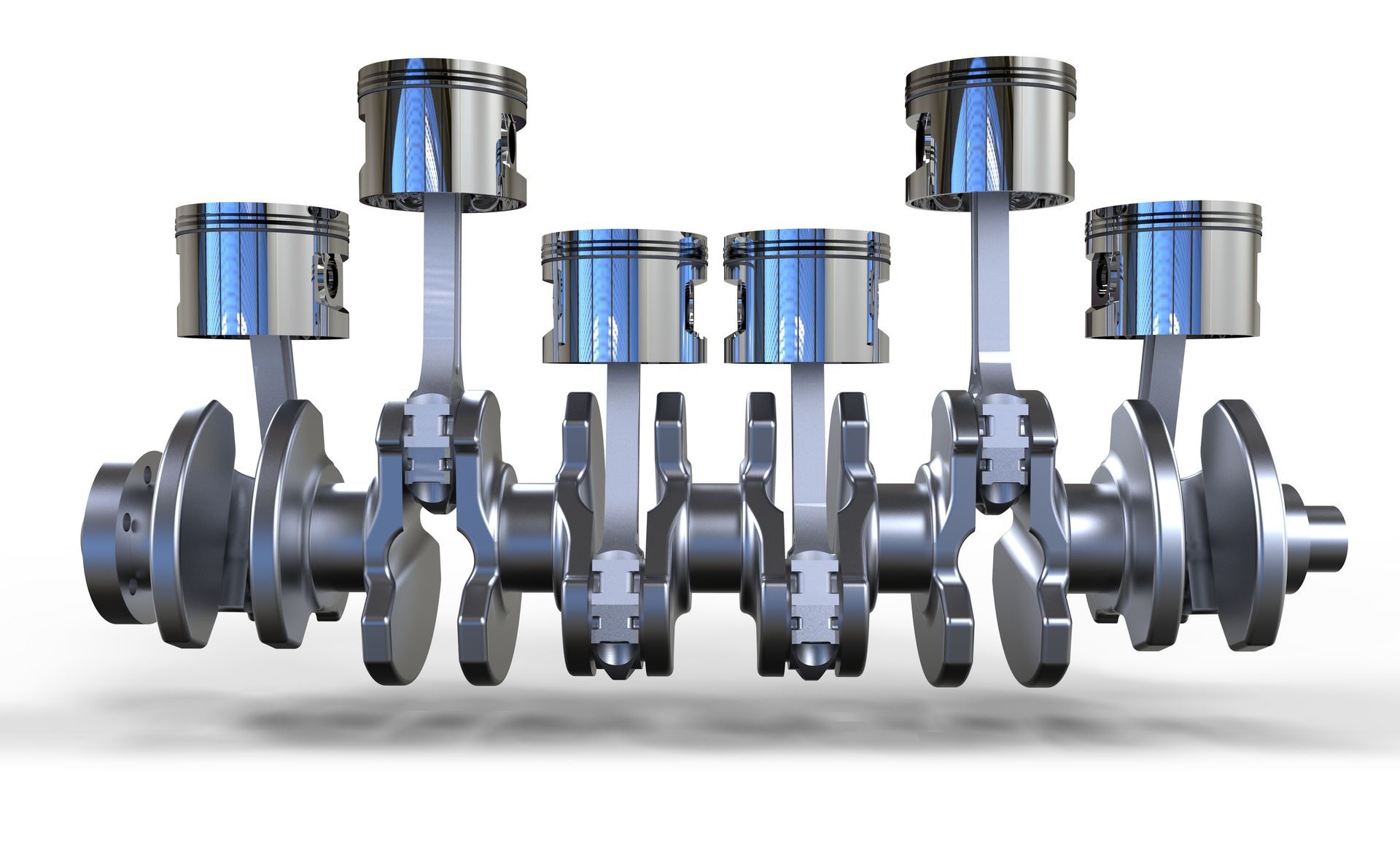
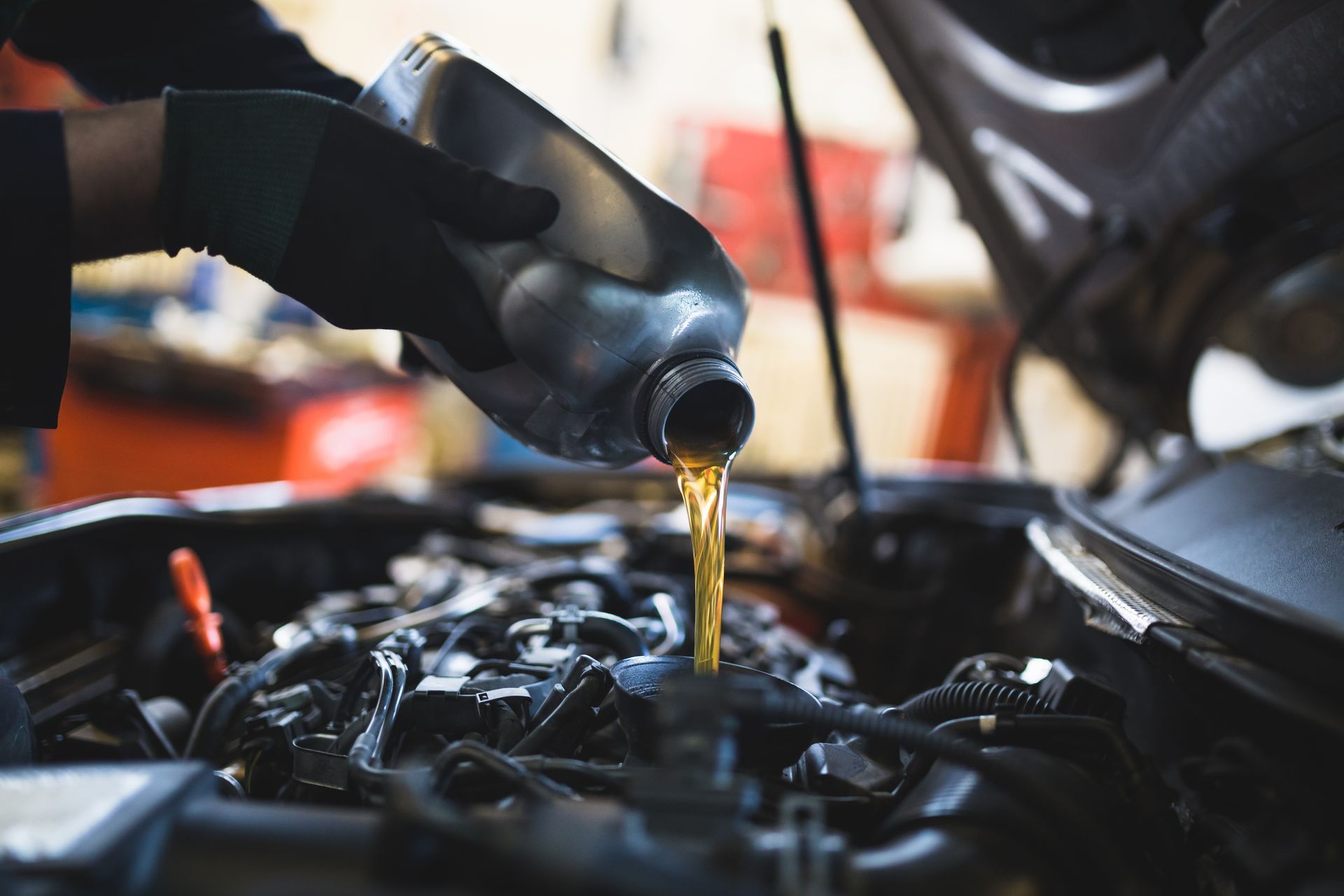
While hybrid cars rely on electric power, they still have an internal combustion engine, which means oil changes are still part of regular maintenance. However, because the engine in a hybrid doesn’t work as hard as in a traditional vehicle, oil changes are generally less frequent.
How often should you change the oil?
You can typically go longer between oil changes in a hybrid, but this depends on your driving habits. If you spend a lot of time in stop-and-go traffic, it might be necessary to change the oil more frequently. It’s always a good idea to check your vehicle’s manual or consult with a professional to determine the best oil change interval for your specific model.
What type of oil should you use?
Make sure to use the recommended type of oil for your hybrid engine, as using the wrong kind can negatively affect its performance. Synthetic oil is often recommended for hybrid vehicles because of its ability to withstand extreme temperatures and provide better lubrication.
3. Tire Maintenance Matters More Than You Think
Hybrid cars are often designed with low-resistance tires to improve fuel efficiency. These tires reduce friction with the road, allowing for smoother rides and better mileage. However, they need to be properly maintained to ensure safety and performance.
How can you care for your tires?
Regularly check tire pressure and keep it at the recommended level. Low tire pressure not only affects fuel efficiency but can also cause unnecessary wear on your tires. Rotating your tires every 5,000 to 10,000 miles is also a good idea to ensure even wear.
When should you replace your tires?
Don’t ignore worn-out tires. Hybrid cars tend to be heavier due to the battery, so the tires experience more strain than on traditional cars. Be sure to replace your tires when the tread wears down to avoid compromising your safety or fuel economy.
4. Brake System Maintenance
One of the advantages of hybrid cars is regenerative braking, which helps extend the lifespan of your brake pads. In a hybrid, the braking system converts energy generated from slowing down the vehicle back into power that charges the battery. This reduces the strain on your brake pads, meaning they last longer than those in a traditional car.
How often should you check the brakes?
Even though hybrid brake pads typically wear slower, it’s still essential to have your brakes checked regularly. The last thing you want is to be caught off guard by a sudden brake issue. Listen for squealing or grinding noises and watch out for any unusual vibrations when braking.
Are there any special considerations for hybrid brakes?
Yes. Since the regenerative braking system plays a role in battery recharging, keeping your brakes in top shape helps maintain the vehicle’s overall efficiency. Be sure to use a repair shop familiar with hybrid systems for any brake service.
5. Pay Attention to the Cooling Systems
Hybrid cars have two cooling systems: one for the internal combustion engine and one for the hybrid battery. Keeping both systems in check is vital for preventing overheating, which could lead to significant engine or battery damage.
What maintenance does the cooling system need?
Regularly check the coolant levels and ensure there are no leaks. Flushing the coolant system periodically can help keep everything running smoothly. Keeping an eye on the cooling fans and radiators for both the engine and the battery will help maintain their performance.
When should you seek professional help?
If you notice your car overheating or hear unusual noises from the cooling fans, get your car checked by a professional as soon as possible. Neglecting the cooling systems could lead to expensive repairs down the line.
Get expert care for your hybrid. Don’t wait for a warning light—visit
Occoquan Exxon for a comprehensive maintenance service and ensure your hybrid stays on the road for years to come.