


What Is a Crankshaft And Does It Wear Out?
What Is a Crankshaft And Does It Wear Out?
Ever wondered what goes on under the hood of your car to make it run? While many components work together to keep your engine purring, one of the critical parts is the crankshaft. But what exactly is a crankshaft, and does it wear out over time? Let's explore its role, wear and tear, and how to maintain it.
1. The Crankshaft
The crankshaft is essentially the backbone of your engine. It's a sturdy, precision-engineered component that converts the linear motion of the pistons into rotational motion, which ultimately powers your vehicle. Think of it as the engine's main rotating shaft, driving the wheels and moving your car forward.
Situated at the base of the engine block, the crankshaft connects to the pistons via connecting rods. As the pistons move up and down in their cylinders, they push and pull on the connecting rods, causing the crankshaft to rotate. This rotational force is what drives your vehicle's wheels and keeps you cruising down the road.
2. Signs of a Worn-Out Crankshaft
So, does a crankshaft wear out? The short answer is yes, but it typically takes a long time and a lot of mileage for significant wear to occur. However, like any mechanical component, the crankshaft can suffer from wear and tear. Here are some signs that your crankshaft might be wearing out:
- Knocking Sounds: If you hear a knocking noise coming from your engine, it could be a sign that the crankshaft or its bearings are wearing out. This noise often indicates too much clearance between the crankshaft and the bearings, causing them to collide.
- Oil Leaks: Excessive wear can cause oil seals to fail, leading to oil leaks around the crankshaft area. This reduces oil levels and increases friction and heat, accelerating wear.
- Reduced Engine Performance: A worn crankshaft can lead to decreased engine performance, such as reduced power, poor acceleration, and increased fuel consumption. This happens because the crankshaft's ability to transfer power efficiently is compromised.
- Metal Shavings in Oil: Finding metal shavings in your engine oil during an oil change is a red flag. This can indicate that metal components, possibly the crankshaft or bearings, are deteriorating.
3. Causes of Crankshaft Wear: What You Should Know
Understanding the causes of crankshaft wear can help you take preventive measures to extend its lifespan. Here are some common causes:
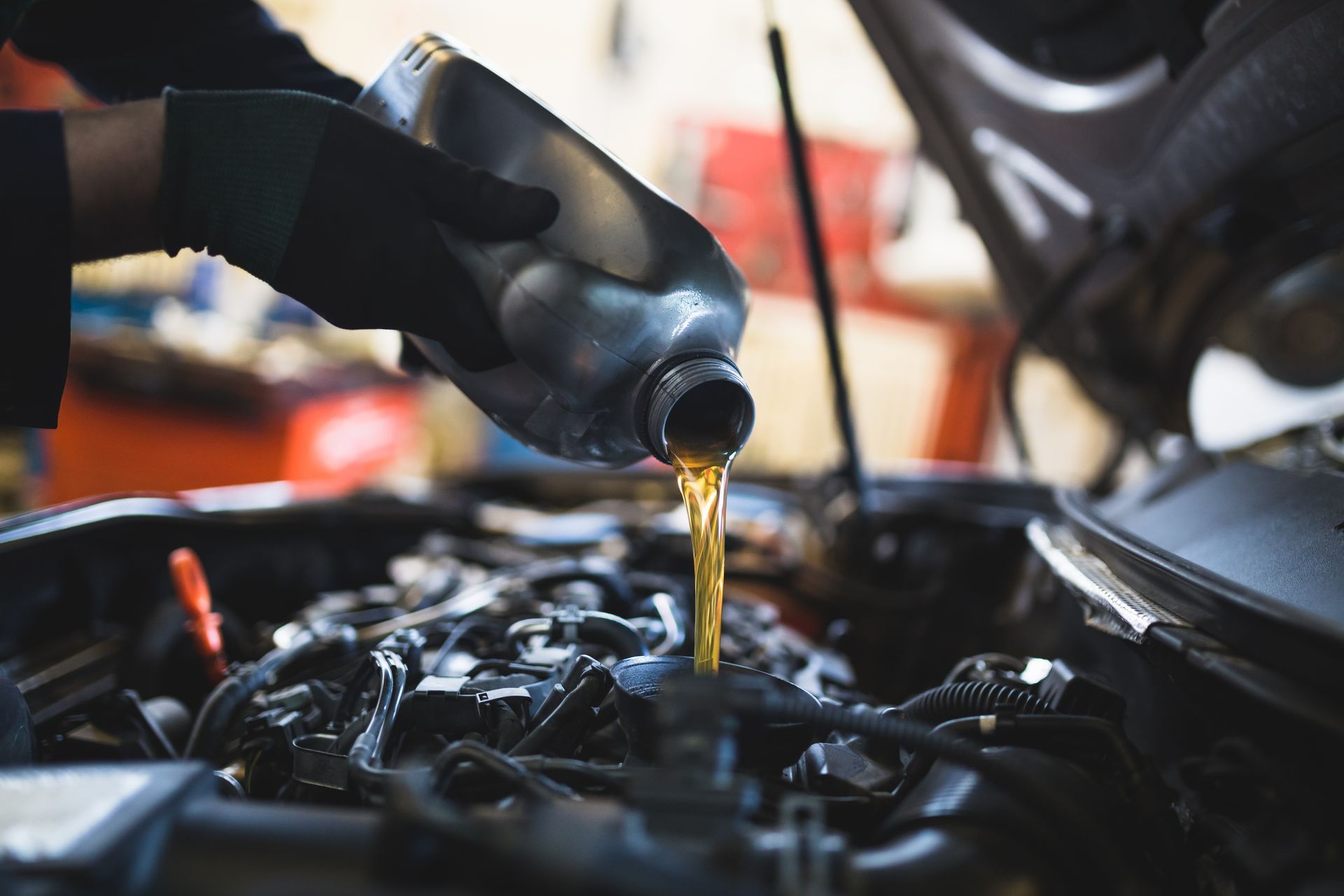
- Lack of Lubrication: Proper lubrication is crucial for the crankshaft and its bearings. Without sufficient oil, friction increases, leading to accelerated wear. Regular oil changes and using the right oil type are essential for maintaining proper lubrication.
- Contaminated Oil: Dirty or contaminated oil can cause abrasives to damage the crankshaft and bearings. This is why regular oil and filter changes are critical to engine health.
- Overloading and High RPMs: Frequently overloading your vehicle or consistently running the engine at high RPMs can put extra strain on the crankshaft. This can lead to excessive wear over time.
- Improper Maintenance: Neglecting routine maintenance, such as not addressing small issues promptly, can result in larger problems. For instance, ignoring a minor oil leak can lead to significant crankshaft wear down the road.
4. Maintaining Your Crankshaft: Tips for Longevity
Taking care of your crankshaft is key to ensuring the longevity of your engine. Here are some maintenance tips to keep it in top shape:
- Regular Oil Changes: Follow your vehicle manufacturer's recommendations for oil change intervals. Fresh oil helps reduce friction and wear on the crankshaft and other engine components.
- Use Quality Oil and Filters: Always use high-quality oil and filters to ensure your engine is properly lubricated and protected from contaminants.
- Monitor Oil Levels: Regularly check your oil level and top it up if necessary. Running your engine with low oil levels can cause severe damage to the crankshaft and other components.
- Listen to Your Engine: Pay attention to any unusual noises or performance issues. Early detection of problems can prevent extensive damage to the crankshaft and other parts.
- Routine Inspections: Have a professional mechanic inspect your engine periodically. They can identify potential issues before they become serious, saving you time and money in the long run.
5. Replacing a Crankshaft: When and How
Despite your best efforts at maintenance, there may come a time when your crankshaft needs to be replaced. This is typically a complex and labor-intensive process best left to experienced mechanics. Here's what to expect:
- Diagnosis: A thorough diagnosis is necessary to confirm that the crankshaft is the source of the problem. This might involve inspecting the crankshaft visually or using diagnostic tools to measure wear and detect cracks.
- Removal: The engine often needs to be disassembled to access the crankshaft. This includes removing the oil pan, timing chain or belt, and other components.
- Replacement: The old crankshaft is removed, and a new or reconditioned one is installed. Bearings and seals are usually replaced at the same time to ensure proper functioning.
- Reassembly and Testing: Once the new crankshaft is in place, the engine is reassembled, and the vehicle is tested to ensure everything is working correctly.
Experiencing engine troubles or suspect a worn-out crankshaft? Bring your car to Occoquan Exxon for a comprehensive engine check-up. Schedule your appointment today!